I want to be clear. The original idea was about making wine in the city, in a specific neighborhood. The first thought was not about vineyards. In early 2014, until I got the text from Jon Bonné, I did not even know that there were vineyards nearby. I only knew about Temecula and Malibu. And I did not really care.
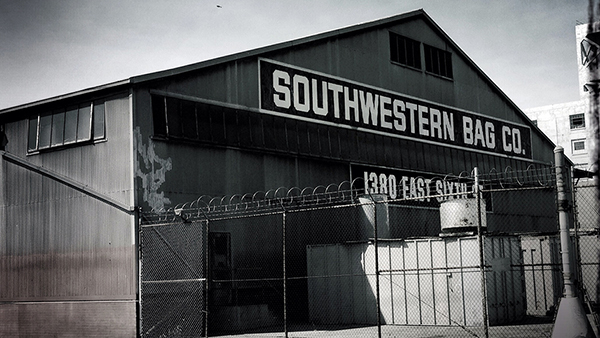
I had an idea about the city, born from the bike ride in 2005. I was in love with the city's industrial past, and the fact that there were so many beautiful traces of it still standing. And they were all concentrated in one neighborhood on the periphery of the city. In 2014, the Arts District was just becoming a thinkable destination. Bestia had been open for 2 years and was single-handedly changing the geography of the city. Hauser and Wirth had not yet begun its massive reconfiguration of the Globe Grain & Milling Company, and so, to outsiders in the rest of the city, the expression "Arts District" was hollow at best, meaningless at worst.
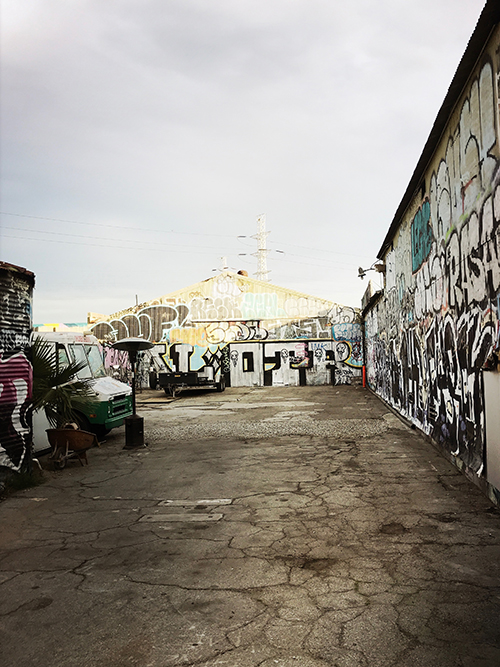
A five minute drive north of Bestia was an unknown neighborhood full of hulking warehouses, at the time, empty or devoted to wholesale food products. Two of the oldest buildings in the city, from 1905, were in the neighborhood. Some people called the neighborhood "Dogtown;" real estate people were trying to make "North Chinatown" stick. Since no one went there, it did not make much difference. But by 2017, a prescient developer was renovating a few blocks and had persuaded David Chang to open his LA outpost in one of his buildings. Another remarkable impressario secured a 40-year lease on two buildings filling half a city block and was hosting art events: Shepard Fairey's "DAMAGED" exhibition in 2017, and Beyond the Streets in 2018.
I was fascinated by the neighborhood and went there day after day. I knew every foot of the sidewalk, every facade. My father and I went to the Public Library and looked at maps from the 19th century and the first years of the 20th century. In 1905, much of the land was vineyard.